
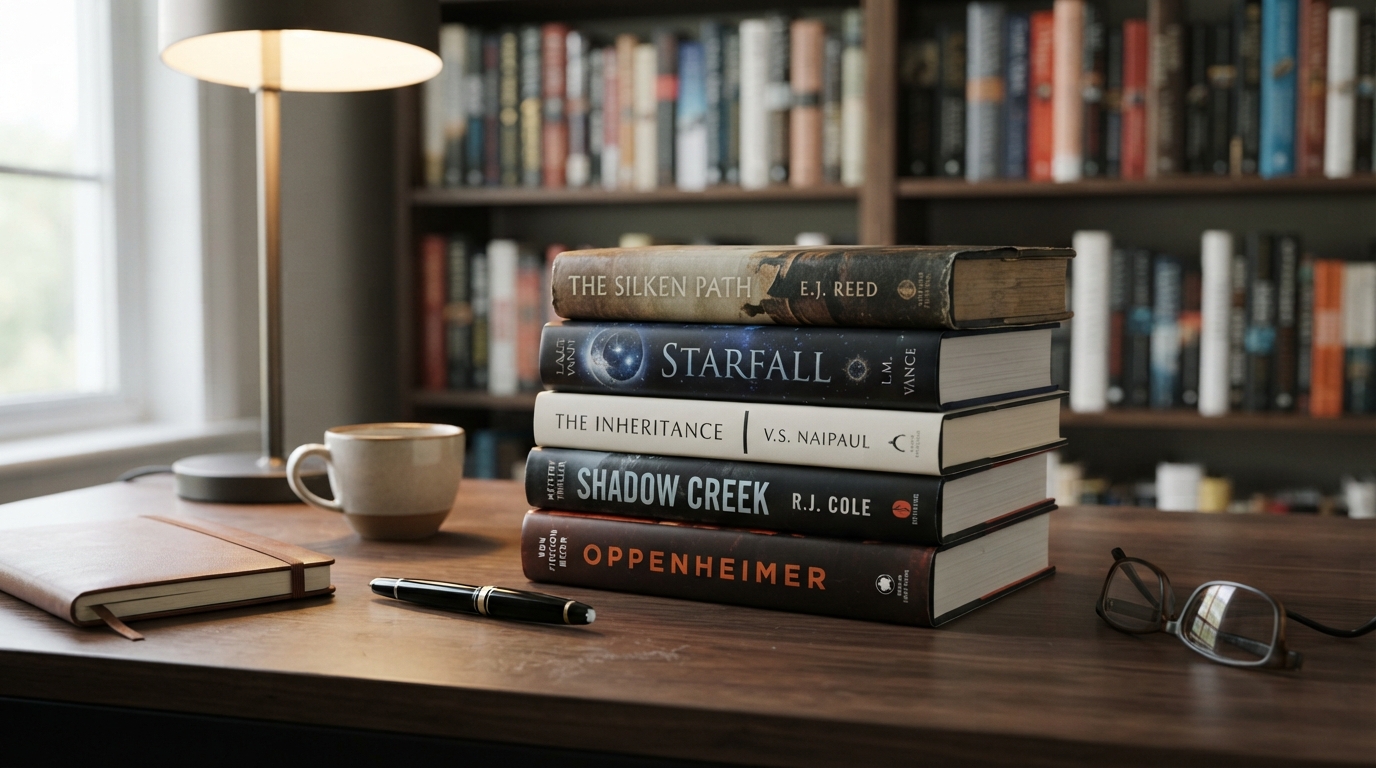
The main genres of literature are fiction, non-fiction, poetry, and drama. These four foundational pillars classify all written works based on their structural characteristics, narrative intent, stylistic devices, and use of language. Within these primary categories lie hundreds of specialized sub-genres—ranging from science fiction and historical biography to lyric poetry and tragic drama—that help readers, publishers, and scholars navigate the vast landscape of human storytelling.Understanding these literary classifications is not merely an academic exercise; it is the ultimate roadmap for navigating the publishing world. Whether you are an avid reader looking to decode your next favorite book, an educator building a curriculum, or an aspiring author trying to position your manuscript in a highly competitive market, mastering the nuances of literary genres is essential. Below, we provide an exhaustive, 360-degree exploration of the primary and secondary classifications of literature, complete with historical context, structural analysis, and practical industry insights.
The Classic Quadrumvirate: Deciphering the Four Primary Pillars of Literature
To understand the universe of written expression, one must first master the four core pillars that have shaped human history. Every novel, play, poem, or essay can trace its lineage back to one or more of these foundational categories.
1. Fiction: The Art of Narrative Invention
Fiction refers to any literary work derived from the author’s imagination rather than historical or factual truth. While fiction may draw heavily on real-world events, psychological realities, and historical settings, its characters, plotlines, and specific sequences of events are invented. The primary vehicle of fiction is prose—ordinary grammatical speech and writing without metrical structure.
At its core, fiction relies on key narrative elements: character development, plot arcs, setting, theme, and point of view. Writers use these elements to construct immersive realities that explore the complexities of the human condition. The flexibility of fiction allows it to stretch from ultra-realistic depictions of contemporary life to wildly imaginative speculative worlds.
2. Non-fiction: The Architecture of Truth
Non-fiction is the literature of fact. It encompasses any work that purports to present factual information, real-world events, and objective or subjective truths. Unlike fiction, the integrity of non-fiction relies on its accuracy, research, and fidelity to real life.
However, non-fiction is far from dry or clinical. The rise of creative non-fiction (also known as narrative non-fiction) has proven that factual stories can be told using the same dramatic pacing, vivid imagery, and character development found in top-tier novels. From deeply personal memoirs to investigative journalism, non-fiction seeks to inform, educate, persuade, and reflect upon the actual world we inhabit.
3. Poetry: The Symphony of Language
Poetry is arguably the oldest form of literature, predating the written word through oral tradition. It is characterized by an intense focus on the aesthetic and rhythmic qualities of language. Unlike prose, poetry relies on meter, rhyme, line breaks, stanzas, and figurative language to evoke specific emotional and intellectual responses.
In poetry, the arrangement of words on a page is just as critical as their dictionary definitions. Poets manipulate sound, silence, cadence, and imagery to compress vast emotional landscapes into highly concentrated linguistic forms. From the structured elegance of a Shakespearean sonnet to the boundary-pushing fluidity of modern free verse, poetry remains the ultimate playground for linguistic experimentation.
4. Drama: The Literature of Performance
Drama is literature written specifically to be performed by actors on a stage, in front of a camera, or over a microphone. While we often read plays as text, their ultimate realization occurs in three dimensions through live performance. The structural framework of drama is built almost entirely on dialogue and stage directions.
Without the benefit of a traditional narrator to explain a character’s internal thoughts, drama relies on external actions, spoken words, and subtext to drive the plot. Dramatists must master the art of conflict, pacing, and auditory storytelling to capture and hold an audience’s attention in real-time.
The Evolution of Literary Classifications: Classical vs. Modern Taxonomic Models
The way we categorize literature has shifted dramatically from antiquity to the modern digital age. In classical Greece, Aristotle’s landmark treatise Poetics laid the groundwork for literary theory by dividing literature into three primary modes: Epic, Lyric, and Dramatic. Today’s publishing industry and academic institutions use a much more complex, market-driven taxonomy. The table below illustrates how the classical divisions of literature have evolved into the highly segmented modern categories we recognize today.
| Classical Mode (Aristotelian) | Primary Medium | Modern Equivalent Category | Key Structural Focus |
|---|---|---|---|
| Epic | Narrative Verse | Fiction (Novels, Novellas) | Grand narrative arcs, hero journeys, expansive world-building. |
| Lyric | Chanted / Sung Poetry | Poetry (Modern Lyric, Free Verse) | Personal emotion, musicality, brevity, subjective experience. |
| Dramatic | Theatrical Performance | Drama (Theatre, Screenplays) | Dialogue-driven conflict, performance, visual and auditory staging. |
| (N/A) | Expository Prose | Non-fiction (Memoir, Essays, History) | Factual analysis, historical documentation, rhetorical persuasion. |
Deep-Dive: Exploring the Most Popular Sub-Genres in Modern Publishing
To truly master the literary landscape, we must look beyond the four primary pillars and examine the specific sub-genres that dominate bookshelves and digital e-readers. These sub-genres carry distinct sets of conventions, tropes, and reader expectations.
The Landscape of Modern Fiction Sub-Genres
- Science Fiction (Sci-Fi): Speculative fiction that explores the impact of actual or imagined science and technology on individuals and society. Key tropes include space travel, time travel, parallel universes, and futuristic societies.
- Fantasy: Literature set in imaginary worlds where magic, supernatural elements, and mythical creatures are real. It often draws inspiration from folklore and mythology, featuring epic quests and complex magic systems.
- Mystery & Thriller: Suspense-driven narratives centered on solving a crime, uncovering a secret, or escaping a dangerous situation. Mysteries focus on the puzzle of “whodunit,” while thrillers prioritize high stakes, fast pacing, and psychological tension.
- Historical Fiction: Stories that take place in a detailed, accurately reconstructed historical setting. While the main characters may be fictional, they interact with real historical events, figures, and social conditions.
- Romance: Fiction that focuses primarily on the romantic relationship between two or more characters. To meet genre standards, a romance novel must feature a central love story and culminate in an emotionally satisfying, optimistic ending (often referred to as a “Happily Ever After”).
The Spectrum of Modern Non-Fiction Sub-Genres
Non-fiction is equally diverse, catering to readers’ desires for self-improvement, historical knowledge, and personal connection.
- Biography & Autobiography: A biography is a detailed account of a person’s life written by someone else, while an autobiography is written by the subject themselves. Both rely on meticulous research, interviews, and historical records.
- Memoir: Often confused with autobiography, a memoir is more narrow in scope. Rather than chronicling an entire life, a memoir focuses on a specific period, theme, or transformative experience in the author’s life, emphasizing personal reflection and emotional truth.
- Creative Non-fiction / Literary Journalism: Essays and book-length works that use the stylistic tools of fiction—such as scene-by-scene construction, vivid descriptions, and narrative pacing—to report on real-life events, subcultures, or scientific phenomena.
- Self-Help & Personal Development: Instructional texts designed to help readers solve personal problems, acquire new skills, or achieve psychological and spiritual growth.
“A great literary sub-genre is not a cage that restricts a writer’s creativity; rather, it is a set of shared rules and expectations that allows a deep, unspoken dialogue to occur between the author and the reader.”
Hybrid Genres and the Blurring Lines of Modern Storytelling
As literature continues to evolve, contemporary writers are increasingly resisting rigid categorization. This has led to the rise of **hybrid genres**—works that blend the conventions of multiple genres to create entirely new reading experiences.
- Autofiction: A blend of autobiography and fiction, where the author writes a fictionalized version of their own life, often using their real name and actual life events but utilizing fictional techniques to fill in gaps or enhance the narrative arc.
- Slipstream: A category of speculative fiction that sits on the boundary between mainstream literary fiction and science fiction/fantasy. It is characterized by a feeling of surrealism, cognitive dissonance, or “strangeness” rather than overt magic or spaceships.
- Historical Fantasy: A sub-genre that inserts magical elements, mythical creatures, or alternative history into a recognizably accurate historical era (e.g., a magic system operating during the Napoleonic Wars).
Real-time Search Queries & Reader Curiosities Solved
In the era of AI-driven search and conversational queries, readers frequently ask highly specific questions about how literature is organized. Let us address some of the most common queries circulating in search engines today.
What is the difference between “Genre Fiction” and “Literary Fiction”?
This is one of the most debated topics in the publishing industry. Genre fiction (also known as commercial or popular fiction) is written primarily to entertain and fits into clear-cut categories like romance, mystery, or sci-fi. It prioritizes plot, pacing, and satisfying genre-specific tropes. Literary fiction, on the other hand, focuses more on character depth, psychological realism, linguistic artistry, and thematic complexity. Literary fiction often eschews traditional happy endings and focuses on character studies rather than high-concept plots.
What are the “5 main genres of literature” taught in schools?
While academic and industry standards generally recognize four main genres, many educational curricula add a fifth category: Folktale/Mythology (or Traditional Literature). This fifth category includes fairy tales, fables, myths, legends, and tall tales that were passed down through oral tradition before being written down. This addition helps younger students understand the cultural roots of modern storytelling structures.
What is the oldest surviving literary genre?
The oldest surviving literary genre is Epic Poetry. Ancient civilizations recorded their histories, religious beliefs, and cultural mythologies through long, metrical narrative poems designed for oral recitation. Examples like the Epic of Gilgamesh (dating back to ancient Mesopotamia around 2100 BCE) and Homer’s Iliad and Odyssey represent the earliest structured narratives preserved by humanity.
The Writer’s Compass: How to Choose and Master Your Literary Genre
For aspiring authors, identifying your target genre is one of the most critical decisions you will make. Your choice of genre dictates your book’s length, pacing, cover design, target audience, and marketing strategy. Writing a 150,000-word cozy mystery, for example, will likely alienate publishers and readers who expect a fast, light, 75,000-word read.
If you are struggling to find your narrative voice or structure your manuscript within these complex frameworks, partnering with professional ghostwriters at Geeks Ghostwriting can help translate your conceptual ideas into a polished, genre-compliant masterpiece. Professional ghostwriters understand the subtle, unwritten rules of each literary category, ensuring your book resonates deeply with its intended audience while maintaining your unique creative vision.
To find your ideal genre, consider the following steps:
- Analyze Your Reading Habits: You write best what you love to read. Look at your personal bookshelf. What genres dominate your reading time?
- Identify Your Core Narrative Hook: Is your story driven by a complex puzzle (Mystery), an emotional relationship (Romance), a technological warning (Sci-Fi), or a deep character study (Literary Fiction)?
- Study the Market Standards: Research the average word counts, perspective choices (first-person vs. third-person), and narrative structures of recently published bestsellers in your chosen category.
Ultimate Literary Genre Selection Checklist
Before you begin writing your next manuscript or pitching to literary agents, use this checklist to ensure your work aligns perfectly with industry standards and reader expectations.
- Target Word Count: Does your manuscript fit the standard length for its genre? (e.g., 80k–100k for Sci-Fi/Fantasy, 70k–90k for Mystery/Thriller, 50k–80k for Memoir).
- Narrative Perspective: Have you chosen a point-of-view style that matches genre norms? (e.g., Young Adult fiction heavily favors first-person present tense, while Epic Fantasy almost exclusively uses third-person limited/omniscient).
- Pacing and Milestones: Does your plot hit the necessary emotional and narrative beats? (e.g., an inciting incident within the first 10%, a mid-point shift, and a clear climax).
- Target Audience Alignment: Can you clearly identify who your readers are, what other authors they read, and where they buy their books?
- Market Positioning: Have you identified at least three “comp titles” (comparable books published in the last 3-5 years) that share a similar tone, theme, or style with your work?
By mastering the main genres of literature and understanding how they branch into specialized sub-genres, you gain the ultimate competitive edge in the literary world. Whether reading, teaching, or writing, this taxonomic knowledge serves as your North Star, guiding you through the rich, infinite expanse of human expression.
Related Reading
- Greek Mythology Books: 20 Best Books to Read and Where to Start
- 15 Consistently Good Fantasy Novels Worth Reading
- 20 Best Fantasy Books About Dragons to Read






