
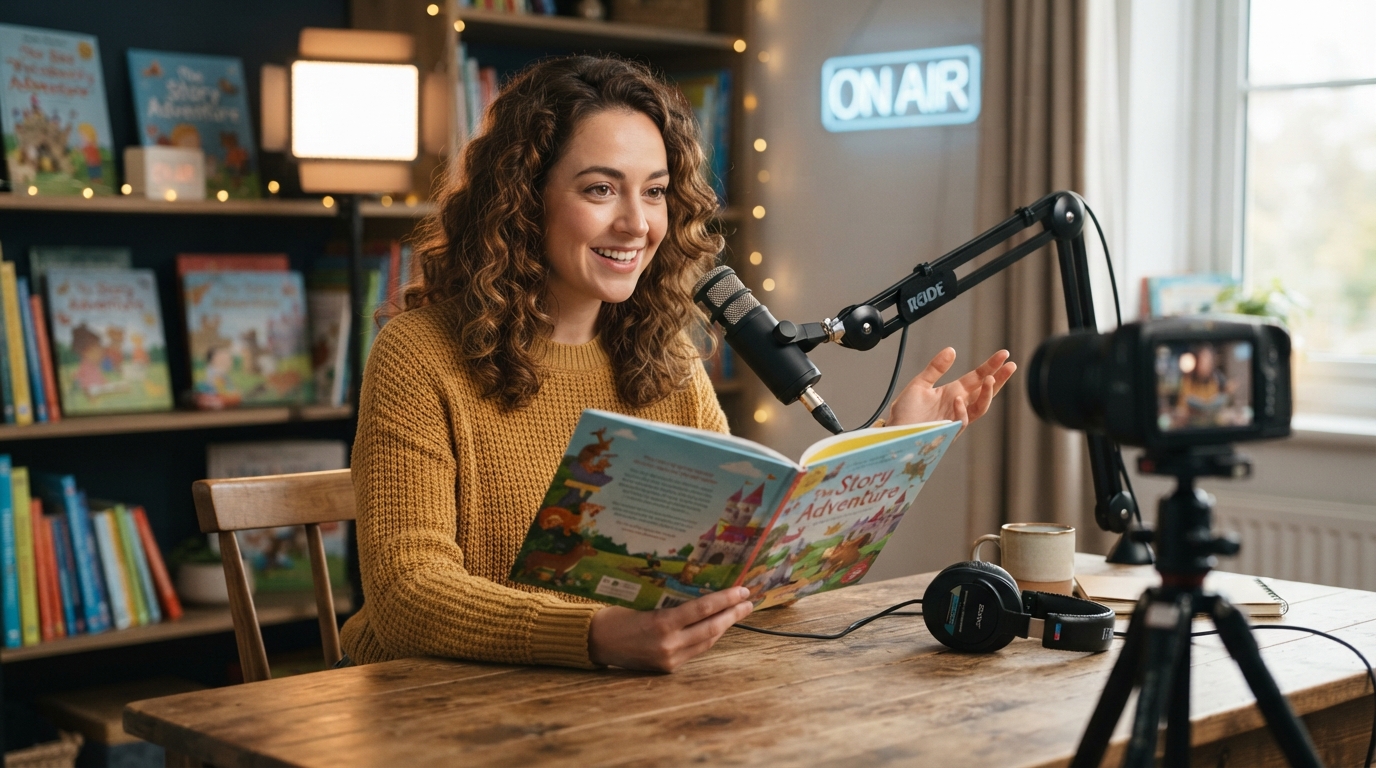
To get paid to read children’s books on YouTube, creators earn revenue by producing engaging read-aloud video content, narrating picture books, animating digital storyboards, and monetizing through the YouTube Partner Program (YPP), brand sponsorships, affiliate marketing, voiceover services, and print-on-demand merchandise. Successfully launching and profiting from a storytelling channel requires acquiring proper copyright permissions or utilizing public domain titles, optimizing video metadata for search visibility, maintaining COPPA (Children’s Online Privacy Protection Act) compliance, and delivering high-quality audio narration tailored to young listeners and parents.
The global demand for family-friendly digital entertainment and early childhood literacy tools has turned YouTube into a thriving ecosystem for storytellers, voice actors, teachers, and creative entrepreneurs. Whether you are an aspiring voice artist wanting to build an interactive portfolio, an educator sharing reading strategies, or an indie creator seeking passive income streams, reading children’s books online offers substantial earning potential when approached with professional production workflows, legal diligence, and audience retention strategies.
Real-Time Search Queries and Viewer Intent Breakdown
Understanding what prospective viewers, parents, teachers, and aspiring narrators are searching for allows content creators to produce high-value videos that answer real market demands. The table below highlights key search queries, user intents, and the corresponding content strategies needed to capture traffic:
| Search Query | Primary User Intent | Content & Video Strategy | Estimated Competition |
|---|---|---|---|
| How to monetize children’s book read-alouds | Commercial / Transactional | Explain YPP rules, brand deals, and affiliate book links | Medium |
| Is reading books on YouTube legal? | Informational / Legal | Deep-dive into copyright, fair use, and publisher licensing | High |
| Best microphone for YouTube storytime | Commercial Investigation | Gear reviews, audio sample comparisons, studio setup guides | Low-Medium |
| Bedtime stories for kids read aloud | End-User / Entertainment | Calm, ambient voice narration paired with soft visual cues | High |
| Public domain children’s books list | Informational / Resource | Curated lists of copyright-free classic fairy tales and fables | Low |
The Legal Framework: Navigating Copyright, Fair Use, and Licensing
Before you record your first video, understanding intellectual property law is essential. Reading a copyrighted book aloud on a public platform without authorization can lead to Content ID claims, copyright strikes, video demonetization, or complete channel termination.
1. Understanding Copyright in Literary Works
When an author and publisher release a children’s picture book, they hold the exclusive rights to reproduce, distribute, perform, and display that work publicly. Recording yourself narrating the text while displaying the illustrations constitutes a derivative public performance. Unless you have explicit permission, doing so with modern commercial books violates standard copyright protection.
2. The Reality of “Fair Use” for Storytime Channels
Many creators mistakenly believe that adding a disclaimer stating “No copyright infringement intended” or classifying their video as “educational” provides blanket protection under Fair Use doctrine. In reality, four factors determine Fair Use:
- The purpose and character of the use: Transformative works (such as detailed literary analysis, reviews, or parody) hold more legal weight than straightforward, verbatim readings.
- The nature of the copyrighted work: Creative works like fictional children’s books receive stronger copyright protection than factual, non-fiction texts.
- The amount and substantiality of the portion used: Reading an entire book from cover to cover strongly weighs against fair use.
- The effect upon the potential market: If your video serves as a replacement for purchasing the actual book, publishers can claim market harm.
3. How to Secure Publisher and Author Permissions
To safely monetize protected titles, follow a professional licensing workflow:
- Identify the Rights Holder: Check the copyright page inside the book to locate the primary publishing house or agent.
- Locate the Permissions Department: Visit the publisher’s corporate website and locate their “Rights & Permissions” submission portal.
- Draft a Formal Request: Detail your channel name, subscriber count, expected video format, whether the content will be monetized, and how you will promote their book (e.g., direct purchase links in descriptions).
- Partner with Indie Authors: Self-published and indie authors are often eager for exposure. Connecting with emerging authors through platforms like Geeks Ghostwriting provides mutually beneficial partnerships, granting you reading rights while delivering valuable publicity and sales channels to the authors.
4. Leveraging Public Domain Books
Works in the public domain are no longer protected by intellectual property laws and can be adapted, performed, and monetized freely. In the United States, works published before 1929 are in the public domain. Excellent sources include classic fairy tales from the Brothers Grimm, Hans Christian Andersen, Beatrix Potter, and Aesop’s Fables.
Essential Production Gear and Recording Studio Setup
High-retention children’s read-aloud channels depend on crisp, intelligible audio and engaging visuals. Young listeners lose focus quickly if the audio contains echo, harsh sibilance, or distracting background noise.
| Equipment Category | Entry-Level Option | Professional Option | Key Purpose |
|---|---|---|---|
| Microphone | Audio-Technica ATR2100x / Blue Yeti | Shure SM7B / Rode NT1-A | Capturing rich, warm vocal tones without distortion |
| Audio Interface | Not required (USB mics) | Focusrite Scarlett 2i2 / Elgato Wave XLR | Pristine analog-to-digital conversion and gain control |
| Camera / Capture | Logitech Brio / 4K Smartphone | Sony ZV-E10 / Canon EOS M50 Mark II | Clear video recording of narrator and physical book pages |
| Lighting | 10-inch Ring Light with Diffuser | Godox SL-60W with Softbox | Soft, even illumination to eliminate harsh shadows on pages |
| Editing Software | DaVinci Resolve (Free) / CapCut | Adobe Premiere Pro / Final Cut Pro | Pacing cuts, pan-and-zoom motion, and sound design layering |
Acoustic Treatment on a Budget
You do not need a high-end sound isolation booth to achieve broadcast-level voiceover quality. You can minimize room reflections by:
- Recording inside a walk-in closet surrounded by hanging clothes.
- Using a portable desktop isolation shield behind your microphone.
- Placing heavy moving blankets or rugs on hardwood floors.
- Maintaining consistent microphone technique (keeping your mouth 4 to 6 inches away using a pop filter).
Creative Video Formats That Drive High Audience Retention
To stand out in the children’s literature niche, creators must choose a distinct format that appeals to both children and decision-making parents.
Format 1: The Expressive On-Camera Narrator
In this format, the reader appears on camera, holding the physical book, gesturing expressively, and showing the illustrations to the camera. This approach builds a strong personal brand, fosters parasocial connection, and mirrors an authentic classroom or library storytime environment.
Format 2: Digital Picture Book Animation (Ken Burns Effect)
Instead of filming a physical book, high-resolution scans or authorized digital illustrations are edited with gentle pans, zooms, dynamic text highlights, and subtle motion graphics. This format provides an immersive, cinematic experience that keeps young children visually stimulated.
Format 3: Puppet and Character-Assisted Storytelling
Pairing your narration with a friendly puppet co-host or voice acting distinct character roles creates high comedic value and entertainment. Children respond strongly to character voices, pitch variations, and interactive call-and-response questions sprinkled throughout the story.
Format 4: Calming Bedtime Sleep Stories
Paced deliberately with soft vocal tones, minimal animation, dark mode backgrounds, and soothing ambient music, bedtime read-alouds help parents transition toddlers to sleep. These videos often generate exceptionally high watch times and repeat views.
Step-by-Step Production and Publishing Workflow
- Pre-Production & Script Preparation:
Read the book multiple times before recording. Mark phonetic pronunciations, plan distinct vocal pitches for every character, and note where to pause for dramatic suspense or visual emphasis.
- Audio Recording Session:
Record your voice tracks in a single session to ensure consistent vocal energy, room tone, and mic positioning. Keep a glass of room-temperature water nearby to prevent mouth clicks.
- Visual Capture and Illustration Formatting:
If filming physical pages, ensure pages are flat and lit without glare. If using digital graphics, crop pages to a standard 16:9 aspect ratio at 1080p or 4K resolution.
- Post-Production Audio Engineering:
Apply basic vocal processing chains: a high-pass filter (cut below 80Hz), light compression for dynamic balance, subtle de-essing to remove sharp ‘s’ sounds, and gentle equalization to enhance vocal clarity.
- Video Editing and Text Animations:
Synchronize text overlays so that words highlight as you read them. This provides educational value by reinforcing early reading skills and word recognition for young viewers.
- Export and Quality Assurance:
Render files using H.264 or HEVC codecs at high bitrates. Review the video on both mobile and desktop screens to verify readability and balanced audio levels.
COPPA, “Made for Kids,” and YouTube Algorithm Compliance
The Children’s Online Privacy Protection Act (COPPA) fundamentally shapes how children’s content operates on YouTube. Every creator must classify their channel or individual videos as “Made for Kids” or not.
Crucial Policy Distinction: If your video’s primary audience consists of children under 13, you must mark the content as “Made for Kids.” Failing to do so can lead to regulatory penalties from the FTC and enforcement action from YouTube.
Implications of the “Made for Kids” Designation
When a video is marked as “Made for Kids,” several platform features are automatically disabled:
- Targeted Advertising: Personalized ads based on user tracking are disabled. Ads are served purely on contextual video topics, which generally lowers ad RPM/CPM rates by 50% to 70%.
- Community Engagement: The comments section is turned off to protect children’s privacy.
- Audience Retention Tools: End screens, info cards, notification bells, and channel memberships are unavailable.
- Playlisting: Viewers cannot save “Made for Kids” videos to standard mini-player queues or custom playlists.
Strategic Solutions for Creators
To build a sustainable business despite these constraints, successful creators diversify their content strategy. By framing content as educational resources for teachers and parenting reading guides, or by directing adult viewers to external websites and newsletters, you maintain compliance while establishing stable monetization funnels.
Multiple Monetization Streams: How to Earn Sustainable Income
Relying solely on standard AdSense revenue can limit your growth due to contextual ad pricing. High-earning narrators combine several revenue streams:
| Monetization Channel | Revenue Potential | Implementation Mechanism |
|---|---|---|
| YouTube Partner Program (YPP) | $1.00 – $4.00 RPM | Contextual video ads served before/during story videos |
| Affiliate Marketing (Amazon/Bookshop) | $500 – $3,000+ / mo | Affiliate purchase links in descriptions directing parents to physical books |
| Publisher & Indie Author Sponsorships | $200 – $2,500 / video | Paid features, book review segments, and dedicated spotlight reads |
| Patreon & Parent Memberships | $5 – $20 / supporter / mo | Printable activities, reading comprehension guides, and early access |
| Voiceover & Narration Services | $100 – $500 / project | Using your channel as a public portfolio to secure commercial audio work |
| Original Merchandising | $10 – $25 profit / item | Branded reading journals, literacy posters, and educational flashcards |
1. Book Sales and Affiliate Marketing
Include clear, tracked affiliate links (such as the Amazon Associates Program or Bookshop.org) in every video description. Parents who enjoy your narration often want to purchase the physical copy for their home library. Adding a clear call to action like “Did you love this story? Support the author and grab your hardcover copy here!” turns passive views into direct affiliate commissions.
2. Paid Sponsorships with Publishers and Independent Writers
As your subscriber base expands, authors and publishers actively look for channels that can showcase their new releases. You can offer sponsored reading slots, dedicated promotional author interviews, and integrated shoutouts. Always ensure sponsored content is clearly disclosed in compliance with FTC guidelines.
3. Printables and Literacy Companion Worksheets
Design supplementary educational materials to accompany your read-alouds, such as coloring sheets, phonics worksheets, vocabulary word searches, and reading comprehension quizzes. Sell these digital downloads through platforms like Teachers Pay Teachers, Etsy, or your own website.
Channel Optimization: Video Metadata, Thumbnails, and Search Visibility
Publishing great narration is only half the battle; your videos need strong search visibility so parents and educators can find them easily.
Crafting High-Converting Thumbnails
Thumbnails for children’s books must appeal simultaneously to young viewers and parents:
- Use vibrant, high-contrast background colors (yellows, bright blues, warm reds).
- Showcase the book’s main character prominently alongside an expressive reaction shot of the narrator.
- Use short, readable text overlays (3 to 4 words max) highlighting themes like “Bedtime Read Aloud” or “Animated Story”.
- Ensure text remains legible when scaled down to mobile screen sizes.
Search-Optimized Titles and Descriptions
Incorporate exact-match search terms along with the full title and author name:
- Title Formula: [Book Title] by [Author Name] Read Aloud | [Unique Angle: Bedtime / Animated / Character Voices]
- Example: Where the Wild Things Are by Maurice Sendak Read Aloud | Calming Bedtime Story with Sound Effects
- Description Architecture: Open with a 2-sentence summary of the story’s moral lesson, followed by book purchase links, author credits, licensing notices, and links to your curated reading playlists.
Frequently Asked Questions (FAQs)
Can I get copyright strikes for reading children’s books on YouTube?
Yes. If you read a copyrighted book without explicit written permission from the publisher or rights holder, your video can receive a Content ID claim or copyright strike. To prevent this, read public domain classics, secure written licensing from publishers, or partner directly with independent authors.
How many subscribers do I need to start making money?
To join the YouTube Partner Program, you need 1,000 subscribers along with 4,000 valid public watch hours within the past 12 months (or 10 million valid Shorts views in 90 days). However, you can earn money immediately from day one through affiliate marketing links in your descriptions and direct sponsorships with indie authors.
What is the average RPM for children’s read-aloud channels?
Because “Made for Kids” content uses non-personalized contextual advertising, the revenue per mille (RPM) typically ranges between $1.00 and $4.00 per 1,000 views, depending on seasonal ad spend and the viewer’s geographic location. Successful creators offset this by diversifying into affiliate sales, digital products, and sponsored narration.
Do I need to show my face in the videos?
No. Faceless channels that combine high-quality vocal narration with animated page scans, kinetic text, or digital puppet avatars perform exceptionally well. Clear audio quality, dynamic pacing, and expressive vocal delivery are far more important than appearing on camera.
Can I read self-published books on my channel?
Yes, self-published books are ideal for read-aloud channels. Indie authors frequently welcome video features to increase their visibility and will gladly provide written authorization in exchange for promotional links to their books on Amazon or personal storefronts.
Final Checklist for Launching Your Storytelling Channel
- Confirm all recorded books are either public domain titles or have written publisher permission.
- Test your audio setup to eliminate room reverb, background hum, and plosive pops.
- Create high-contrast, mobile-friendly 16:9 thumbnails featuring expressive imagery.
- Correctly mark videos as “Made for Kids” to stay compliant with COPPA and YouTube platform rules.
- Include affiliate purchase links and author credits in every description.
- Organize your library into themed playlists (e.g., Bedtime Stories, Phonics Practice, Animal Adventures) to boost continuous viewing sessions.
Related Reading
- ACX Paid to Read Books How to Earn Money Reading Books
- Get Paid to Read Books Online How to Earn Money Reading Books
- Get Paid to Read Books 10 Legitimate Sites That Pay






