The apartment, the shift, the group chat. Setting is the argument.


Contemporary Fiction
Contemporary fiction is a novel set in a life a reader could still interrupt. The phones can be right and the book can still be empty. We write the person who has to live through this particular week, not a tour of the year it happens to be.
The apartment, the shift, the group chat. Setting is the argument.
Speech a person would say, not a narrator explaining the culture.
Plot is what changes between Tuesday and the Tuesday after.
Your name on the book. The desk stays off the cover.
What this shelf actually is
If the year is doing all the work, you do not have a novel yet. You have a timestamp.
A contemporary novel fails in a specific way. The jobs are plausible, the apps are named, and nobody on the page has a private thought they would hate to hear read aloud. That book can be researched in an afternoon. It cannot be cared about past chapter three.
We start with the room the character cannot leave for long. The rent that is late. The office where they perform being fine. The message they draft and do not send. Those are not background details to sprinkle over a plot. On this shelf the pressure of ordinary life is the plot. If you can move the story to another city without rewriting a scene, the scene was never using the city.
Voice is the other test. Contemporary prose dies when it starts explaining the culture to people who already live in it. A character may notice a thing. They should not pause the scene to tell the reader what the thing means about society, unless that lecture is the character showing off, and we can hear the showing off. We write the sentence you would actually say at the table, including the one you would swallow.
When you are ready
A scene, a stalled file, or the conversation your character will not have. That is enough to start. Call (833) 688-4166 or write [email protected].
Before a chapter count
What they can lose that is not a kingdom. A lease. A friendship that has been doing the work of a family. The version of them their mother still introduces at dinner. If the only thing at risk is a mood, the book will wander.
There is almost always a conversation they keep meaning to have. With a partner, a boss, a sibling, their own child. That avoidance is usually the spine. We would rather find it in the first week than invent a crisis in the last.
A single object or habit that could only belong to this decade, used because the character needs it. Not a shelf of brand names proving the book did its homework. One true thing is louder than a list.
How the draft is built
The first pages are a test of whether this person can carry a book. A synopsis can sound contemporary and still have no one in it.
Before an outline hardens, we draft a few pages that could only be this person on an ordinary day. What they notice first. What they lie about. If that page could be anyone, we are not ready to build chapters on it.
Who they owe money, time, or a version of the truth. Contemporary plots are usually social before they are dramatic. We write that map so a later scene knows who is in the room and who is being performed for.
A chapter has to change the terms between people. A recap of the week, however well observed, is a diary. We cut the update and keep the moment someone has to answer a question they have been dodging.
These books fade when the dilemma becomes a mood. The ending does not need a speech about the times. It needs the character to do the thing, or refuse it, in a way the earlier pages made costly.
Left off the page
Taste is not character. A character can love a record. The record cannot do the work of a decision.
A cool distance is a tone, and it gets thin fast. If the book is afraid of being sincere, the reader can tell, and they leave.
Mentioning the right store does not put us in the year. It puts a label on a sentence.
The novel can have a mind. It should not stop to teach one. If a paragraph could be a column, it does not belong in the scene.
Questions worth asking first
No. Literary fiction puts pressure on the sentence and on what is left unsaid. Contemporary fiction puts pressure on the time the people are living through. A book can be both. A great many are only one, and that is not a failure. We will tell you which job yours is actually doing before we draft as if it were the other.
Yes, if the humor belongs to how this person sees. A narrator winking at the reader about how absurd modern life is gets old in about six pages. A character who is funny because they are defensive, or precise, or cruel to themselves, can be funny for three hundred.
Quiet is allowed. Passive is not. Someone still has to want a thing they might not get: the apartment, the apology, the job they are pretending not to want. A quiet book is a book with a small stake that is treated as if it were large, because to this person it is.
You do. The copyright stays with you, including the sentences drafted at this desk. If you want that in writing before a file is opened, say so on the first call. We also do not put your name, or ours, in a sample that would identify the book.





The shelf
Our team has helped write, publish and market thousands of books over the past decade. Our books are well-written and finished to perfection. Have a look at some of our ghostwriters’ best works and clients’ bestsellers.

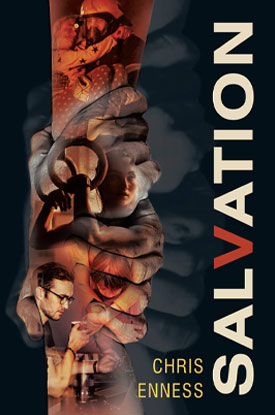


Geeks Ghostwriting’s helped me from idea refinement to publishing. I wanted a script on thriller-romance that had multiple twists and turns. I am directing a movie on the story now and our crew has fallen in love with the story!
Having a drama ghostwritten led me to gain the recognition I was seeking. I had an incomplete manuscript and Geeks Ghostwriting helped me complete it. I marketed it and it sold better than I had expected.
I thought that an illustrative self-help book was not possible! As an established designer, I have always wanted struggling designers and students to learn from my mistakes and achievements. The journey that I thought would be arduous turned out to be enjoyable and simple enough. Thank you, Geeks Ghostwriting!