What we ask of you
- The decision you are willing to explain in public
- One reader you are actually writing for
- A note when a sentence is true and still unwise
- Counsel in the loop before, not after, a sensitive chapter

Your chief of staff can hold the calendar. They should not hold the voice. We need you when a decision is being explained, and when a draft has been made polite by people who were not there. Four or five sessions is not a small ask. It is also not a standing meeting. Between them, you read. If the reading gets handed to someone whose job is to protect the institution, the book starts to sound like the institution, and readers can tell by the second chapter.
We write toward the way you explain a decision when the door is shut. Then we take out anything that cannot be public. The book should sound like you on a careful day, not like a statement. Careful is allowed. Empty is not. A sentence can withhold a name, a number, and a live deal, and still have a point of view. If the only sentences that survive review are the ones any executive could have signed, there is no book yet. There is a posture.
Internal politics, live deals, and other people’s personnel files stay off the page unless counsel says otherwise. We would rather hand you a shorter book than a careful mess. Shorter is not a failure. A hundred pages that a peer can argue with are worth more than three hundred that have been walked past every risk until nothing remains but tone. If a chapter only works because of a fact you cannot print, we cut the chapter. We do not fog the fact and hope.
What we ask of you
What we will not ask
Private
Call it whatever your office needs to call it. We do not need a project name that announces a book to a hallway. If you want a confidentiality note before you describe the subject, ask for it first. We would rather send paper than collect a story we should not have heard. The first hour is not a pitch. It is to learn whether there is a book that can be public, and whether you are willing to be in the sessions that decide it. If the answer is no, we say so before a draft exists and before your office has a project to explain.
The people writing the book, and whoever must see it to do the work. We do not use executive projects as office stories. If a name would identify you in a sample or a sales deck, it does not go in one. You can ask, before the first call, who those people are. A smaller group is easy to arrange. A secret that depends on nobody at all reading the manuscript is not a book we can write.
They can manage the schedule and the facts that touch the company. If they rewrite you into the house style, the book dies in a way readers can smell. We will flag that early rather than deliver it politely. A communications lead is often the right person to know which sentence would be a problem in public. They are rarely the right person to decide how you sound when you are explaining a hard call. Those are different jobs, and we keep them apart.
A short book built from a few sessions often takes three to five months, longer if counsel is in the chapters. You own it. Publication, if you want it at all, is a later decision and not a condition of the writing. Some of these books are never published, and that is a legitimate end. The manuscript can still be the thing you wanted: a record in your voice, in your hands, with our name nowhere near it.
A note is enough
Call (833) 688-4166 or write [email protected].





The shelf
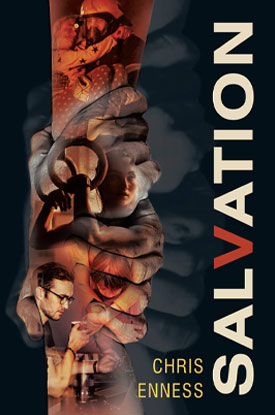
Our team has helped write, publish and market thousands of books over the past decade. Our books are well-written and finished to perfection. Have a look at some of our ghostwriters’ best works and clients’ bestsellers.



Geeks Ghostwriting’s helped me from idea refinement to publishing. I wanted a script on thriller-romance that had multiple twists and turns. I am directing a movie on the story now and our crew has fallen in love with the story!
Having a drama ghostwritten led me to gain the recognition I was seeking. I had an incomplete manuscript and Geeks Ghostwriting helped me complete it. I marketed it and it sold better than I had expected.
I thought that an illustrative self-help book was not possible! As an established designer, I have always wanted struggling designers and students to learn from my mistakes and achievements. The journey that I thought would be arduous turned out to be enjoyable and simple enough. Thank you, Geeks Ghostwriting!