Yield, time, heat, and the step where people actually fail.


Cookbooks
A cookbook is a set of procedures a stranger can follow in their own kitchen, plus the reasons those procedures are the way they are. We write from cooks who have made the dish. We do not invent a method because it sounds like the book you wanted.
Yield, time, heat, and the step where people actually fail.
Ingredients in the order the hands need them.
A Tuesday night is a different recipe from a Sunday project.
Your name on the book. The recipes stay yours.
What the page has to do
A beautiful story about your grandmother is not a temperature. The reader still has to know when it is done.
Cookbooks go wrong when they become albums. The voice is charming, the market is named, and the method is “you’ll know.” A home cook does not know. They know a pan, an oven that runs hot, and a fear of wasting the good ingredients. We write the doneness test, the visual cue, the minute that is a range and why. If you have not stood at the stove for this version, we do not type it up and hope. We cook it, or you cook it, and the notes come back before the sentence gets pretty.
Headnotes can carry a place, a season, or a reason the dish exists. They cannot carry a memoir that makes the recipe an afterthought, and they cannot claim a tradition you do not have a right to represent as your own. If a dish comes from a family, a region, or a teacher, we say whose it is. Adaptation is allowed. Silent ownership is how cookbooks become careless. We would rather a precise credit than a mood of authenticity.
The reader’s kitchen is part of the assignment. A book for a weeknight has to say what can be done ahead, what burns if you answer the door, and what to serve if the sauce splits. A project book can ask for a day and a special pan, if it admits that is what it is asking. We will not write “simple” on a recipe that needs four techniques and a calm afternoon. Simple is a claim. It has to be earned in the steps.
When you are ready
A stack of stained cards, a restaurant book, or a headnote that ate the method. Call (833) 688-4166 or write [email protected].
Before the photography
You, a restaurant crew, a home baker with one oven. The yield and the equipment follow that person. A restaurant recipe copied into a home book without a translation will fail, and the reader will think they failed.
Weeknight, celebration, preservation, baking, a diet with a real medical boundary. One book can hold more than one occasion. It cannot pretend they take the same attention.
Which recipes have been made by someone who is not you. Untested favorites can stay in your house. They do not go in the manuscript until a second pair of hands has followed the words alone.
Order of the work
Charm is easy to add to a reliable recipe. It cannot rescue a vague one.
Yield, time, equipment, ingredients by weight where weight matters, steps in the order of the hands. Cups where cups are honest. We do not mix systems to look folksy.
What goes wrong: seized, soggy, bland, burnt at the edge. One sentence on how to see it coming. This is the difference between a recipe and a memory.
Place, season, credit, and only the story the dish needs. If the headnote is longer than the method, we cut the headnote first.
Someone who did not watch you makes it from the page. Their questions become the revision. “I just knew” is the note we are trying to eliminate.
Not in the book
If we cannot point to a pot it came out of, it does not ship. Combining three recipes into a fantasy and naming it yours is not development.
Canning, curing, fermenting, and meat temperatures are not places for a guess. If you are not sure, we leave the technique out or we follow a source you can stand behind. We will not improvise a seal, a cure, or a “until it looks right” on a risky food.
Table settings, a mood, a wardrobe. The reader opened the book to eat. The scene can be one sentence.
A region’s food written from a trip and a search. We credit, we narrow, or we do not claim the canon.
Questions worth asking first
We write and organize. Development means the dish has been cooked and adjusted until the words match the pot. That work can be yours, a recipe tester’s, or a plan we agree before we start. We will not pretend a manuscript pass is a test kitchen. If a recipe has not been cooked to the written steps, it is marked unfinished, not polished.
Yes, if the constraint is real and consistent: a medical diet you are qualified to discuss, a religious rule, a preference you keep. We will not write a medical promise into a sauce. “This heals” is a different book, and it belongs under health writing, with sources. A cookbook can say who the dish is for. It should not diagnose the reader.
We do not shoot the book. We can write so a photographer knows what must be visible: the crumb, the doneness, the serving that matches the yield. A recipe that only works in a styled picture will be caught when the tester makes it in ordinary light.
You do. The copyright in the text and the selection is yours, including headnotes drafted here. A traditional dish is not something anyone owns. Your method, your ratios, and your words are. We do not resell your recipes as a sample.





The shelf
Our team has helped write, publish and market thousands of books over the past decade. Our books are well-written and finished to perfection. Have a look at some of our ghostwriters’ best works and clients’ bestsellers.

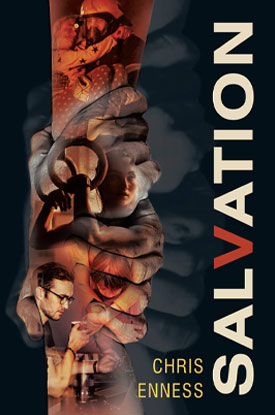


Geeks Ghostwriting’s helped me from idea refinement to publishing. I wanted a script on thriller-romance that had multiple twists and turns. I am directing a movie on the story now and our crew has fallen in love with the story!
Having a drama ghostwritten led me to gain the recognition I was seeking. I had an incomplete manuscript and Geeks Ghostwriting helped me complete it. I marketed it and it sold better than I had expected.
I thought that an illustrative self-help book was not possible! As an established designer, I have always wanted struggling designers and students to learn from my mistakes and achievements. The journey that I thought would be arduous turned out to be enjoyable and simple enough. Thank you, Geeks Ghostwriting!