One life the story is meant to touch, not “anyone who dreams.”


Motivational & Inspirational
An inspirational book has to move a specific person who is still inside a hard week. Cheer is cheap. What lasts is a scene in which someone paid for the next step, and a limit on what your example does not prove.
One life the story is meant to touch, not “anyone who dreams.”
What was lost, paid, or still unfinished.
What your turnaround does not guarantee a stranger.
Your name on the book. The life stays yours.
What this shelf owes
If the hard year is only a setup for the speech, the reader has been used as an audience.
This is not the self-help shelf, though people confuse them in a pitch. Self-help owes a practice a person can fail and still be inside. A motivational book owes a true pressure and a reason to continue that is more specific than confidence. The story can be yours. It can be a set of other lives you have the right to tell. It cannot be a sequence of victories with the invoices removed. Readers who need this book are often already tired of being told they are enough. They can hear a speech. They stay for the Tuesday you did not want to include.
We write the middle at full length. The months the decision looked stupid. The person who was right to doubt you. The help you actually had, named, instead of a lone figure against a sky. Inspiration that deletes the helper teaches the reader that needing people is the failure. That is a cruel lesson, and it is usually an accident of vanity. We put the helper back on the page.
The ending has to release the reader from copying you. Your business, your body, your faith, your timing are not a template. A last chapter that says “now you” without saying what, in their actual job and house, is a smaller version of the same story, has not finished its work. We close on a next honest hour, not on a horizon.
When you are ready
A talk, a stall, or the person who carried you. Call (833) 688-4166 or write [email protected].

Before the keynote becomes a book
Name them. A nurse on nights. A founder who just laid people off. A student who has failed a term. If the reader is “everyone with a dream,” there is no scene to write.
The debt, the relapse, the person you hurt, the year nothing moved. That is the chapter. The stage version can stay in the talks.
A spouse, a colleague, a congregation, a loan. We will not write them out so the cover can be a single face.
Order of the work
Applause is easy to transcribe. It makes a thin book.
Written with dates and practical details. What the bill was. Who you called. If the chapter can be swapped into another person’s brand story, it is not specific enough.
We compare the talk to the life. Lines that only work from a stage get cut or get a paragraph of context under them.
If the book uses someone else’s turnaround, we need the right to it, and we need their obstacle in their own terms. A parade of people you saved is not inspiration. It is a brochure.
No demand that the reader’s ending match yours. A practice, a question, or a smaller promise they can test this month.
Left out
A line that fits a mug is not a section. If we cannot follow it into a scene, it goes to the talk, where it belongs.
There isn’t one we will invent. The book can offer attention, work, help, and a limit. It cannot offer a switch.
Mocking the reader for staying, for being afraid, for loving an ordinary life. Motivation that needs contempt is not this desk.
A family member, a client, a congregation, made smoother so your arc reads clean. We would rather lose the anecdote.
Questions worth asking first
No. If you have steps a person should practice, say so and we will build that book, with failure paths and limits. If you have a story that might help someone stay in a hard week, this is the shelf. Mixing them produces a talk with worksheets taped on. We can do both in one book only if each chapter knows which job it has.
Ordinary is an advantage if the pressure is specific. A promotion that cost a friendship. A caregiving year. A business that stayed small and still taught you a decision. The book does not need a crash or a fortune. It needs a choice another person could recognize without needing your biography.
Yes, if the faith is actually what changed the decision, and we are not decorating a business story with a verse. If the book is teaching scripture or a congregation, it belongs on the Christian books page, and we will build it to that standard instead of calling a sermon motivational.
You do. The copyright is yours, including chapters drafted here. We do not retell your lowest year as a sample. If other people are in the story, their permission is your responsibility before we sharpen the portrait.





The shelf
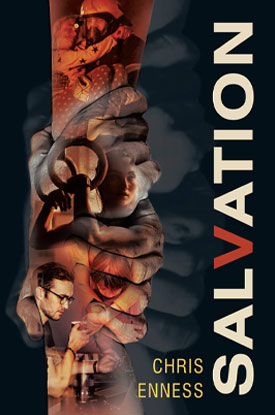
Our team has helped write, publish and market thousands of books over the past decade. Our books are well-written and finished to perfection. Have a look at some of our ghostwriters’ best works and clients’ bestsellers.



Geeks Ghostwriting’s helped me from idea refinement to publishing. I wanted a script on thriller-romance that had multiple twists and turns. I am directing a movie on the story now and our crew has fallen in love with the story!
Having a drama ghostwritten led me to gain the recognition I was seeking. I had an incomplete manuscript and Geeks Ghostwriting helped me complete it. I marketed it and it sold better than I had expected.
I thought that an illustrative self-help book was not possible! As an established designer, I have always wanted struggling designers and students to learn from my mistakes and achievements. The journey that I thought would be arduous turned out to be enjoyable and simple enough. Thank you, Geeks Ghostwriting!